Where Kenya's Tech Future Is Female.
The SheCode event in Kenya brought together hundreds of women in tech — developers, designers, product managers, and students — for a day of mentorship, networking, and frank conversation about what it actually takes to build a career in technology on the continent.
Why SheCode Exists
Walk into most Nairobi tech company offices and the demographic reality is the same: teams that are majority male, often from a small cluster of universities, with women underrepresented particularly in engineering and leadership roles.
SheCode exists because a group of women in Kenya's tech industry decided that the pipeline problem — the argument that there simply aren't enough qualified women entering tech — was not the real problem. The real problem was a series of visible and invisible barriers that discouraged, excluded, and exhausted women who were fully capable of building great technology.
The event we attended was the clearest evidence yet that those barriers are being systematically dismantled.
What the Room Looked Like
The venue filled quickly. Students from the University of Nairobi and Strathmore sat alongside senior engineers from major tech companies and startup founders who had been working in the industry for a decade.
The range of roles represented was striking: mobile developers, data scientists, UX designers, product managers, cybersecurity professionals, and an increasing number of women working in infrastructure and cloud — historically the most male-dominated corner of the tech world.
"I came because I wanted to see what was possible," a second-year computer science student told us near the registration desk. "I didn't know any women who worked in tech. I thought it was for other people. Now I'm looking at this room and I'm reconsidering everything."
Mentorship as Infrastructure
The centrepiece of SheCode is not the panels or the keynotes — though both were substantive. It is the structured mentorship sessions, where participants are matched with experienced practitioners for one-on-one conversations about career paths, technical skills, and navigating the specific challenges of being a woman in a male-dominated field.
Several mentors we spoke with described the conversations as going both ways. "I learn as much from these sessions as the mentees do," one senior engineer at a global tech company told us. "They're asking questions that make me articulate things I've never had to explain before. It sharpens my own thinking."
International Careers and the Diaspora Question
One of the most animated sessions of the day was a panel on international careers — specifically, the question of whether young Kenyan tech professionals should seek opportunities abroad.
The conversation was refreshingly honest. Panellists who had worked at companies in the UK, US, and Germany described the experience in full: the genuine career acceleration that comes from working at scale with global teams, and the specific challenges of navigating workplaces as a Black African woman in environments that were not designed for you.
"I went to London for three years," one panellist said. "I learned things I could not have learned in Nairobi at that stage of my career. But I came back. Not because the opportunities dried up, but because the problem I actually want to solve is here."
The consensus that emerged was not "stay" or "go" — it was "go strategically, return purposefully." The diaspora is a resource, not a loss.
The Metaverse Session Nobody Expected
Tucked into the afternoon schedule was a session that generated more discussion than almost anything else: a practical workshop on careers and opportunities in virtual worlds, the metaverse, and spatial computing.
The facilitator — a Kenyan developer working on spatial computing products — made a case that was hard to refute: the next major platform shift is underway, the talent ecosystem is still being built, and a developer in Nairobi today has the same access to the early-stage metaverse opportunity as a developer in San Francisco.
"The mistakes that were made in not being in the room when the internet was being built — we can choose not to repeat those mistakes," she said. "We can be in the room for this one."
What Comes Next
SheCode is expanding. Plans for 2026 include chapter events in Mombasa and Kisumu, a mentorship programme running year-round rather than just at the annual event, and partnerships with tech companies to create structured hiring pipelines directly from the SheCode community.
The ambition is not to make women feel welcome in Kenya's tech industry. It is to make Kenya's tech industry unimaginable without them.
“The mistakes made by not being in the room when the internet was being built — we can choose not to repeat those mistakes. We can be in the room for the next platform shift.”
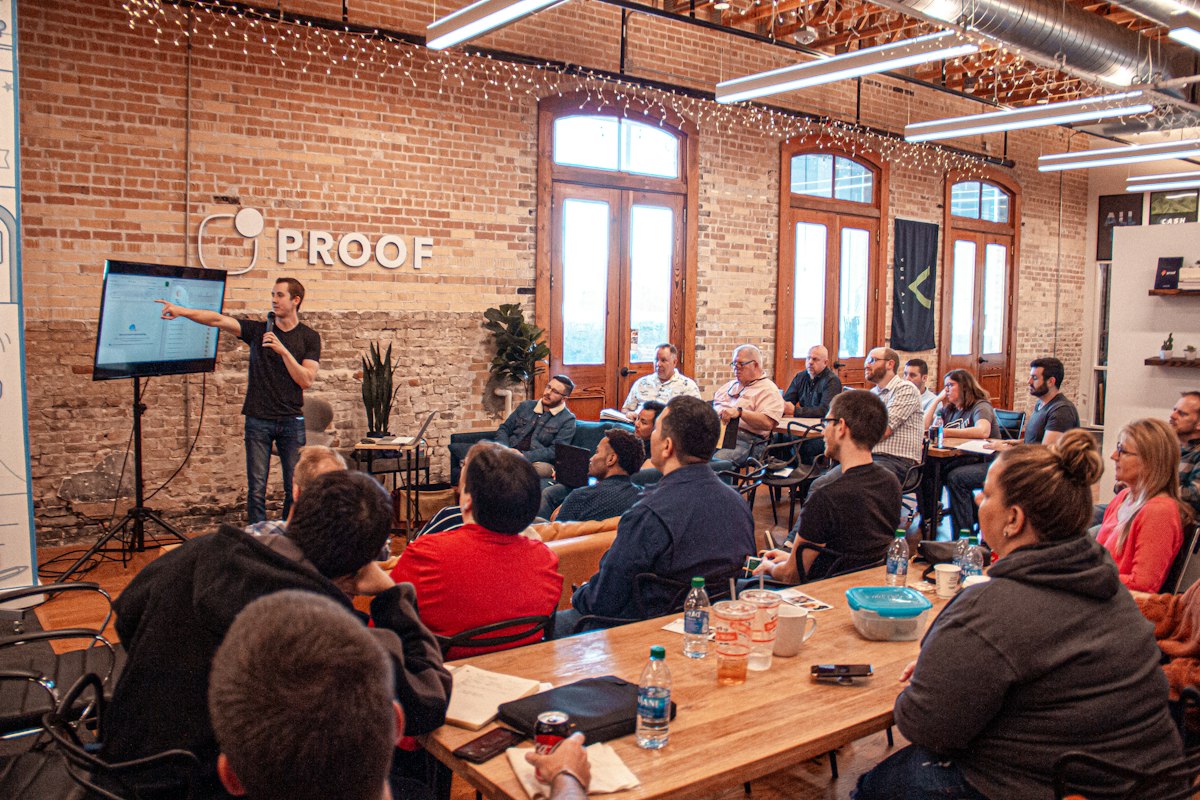
Attendees networking at the SheCode Kenya event.
© Hustle Yangu
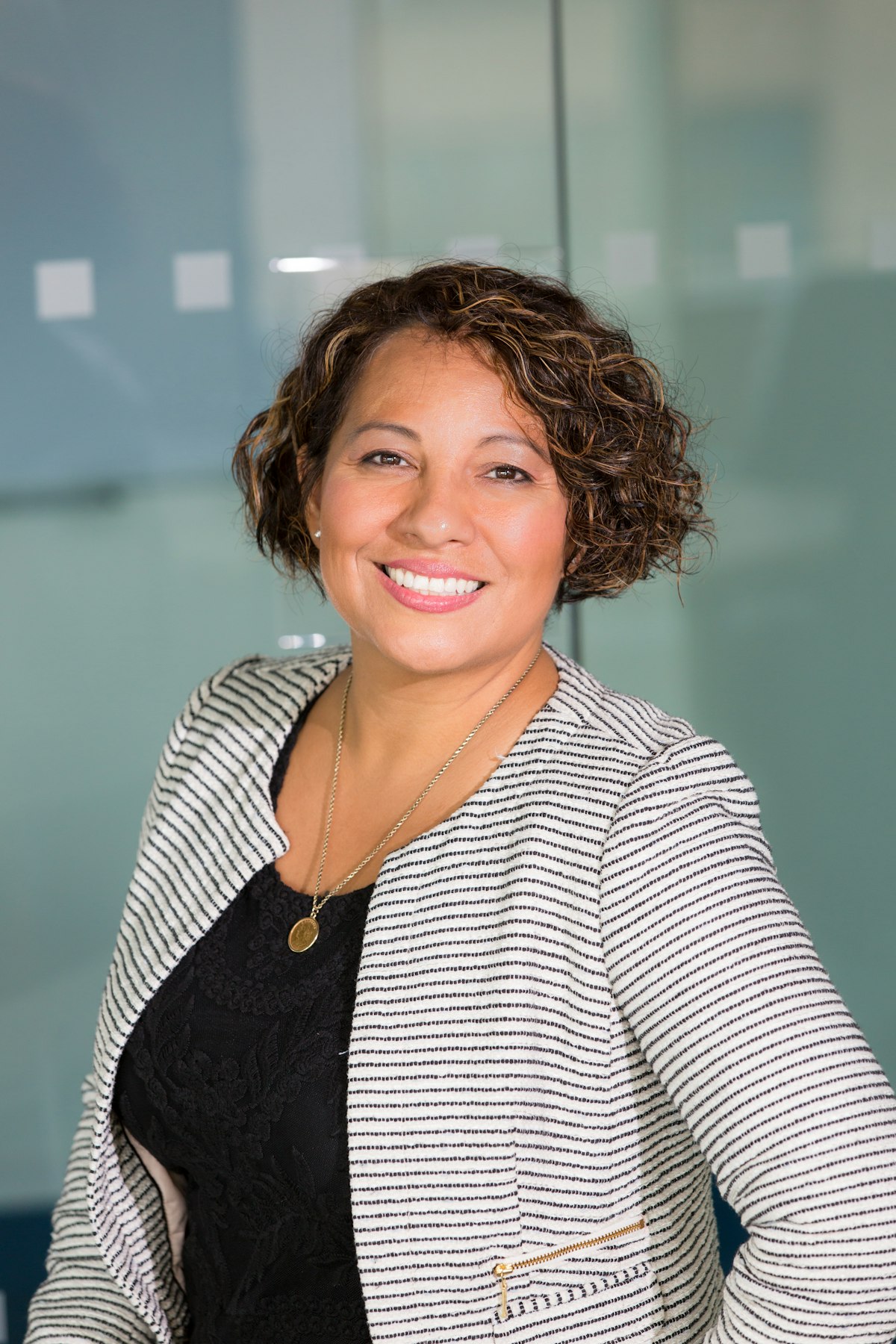
A one-on-one mentorship session between a senior engineer and a student.
© Hustle Yangu
 Deep Tech
Zerobionic: Building the Future from Africa
What does it mean to build deep tech from Africa? Zerobionic is answering that question in real time — engineering solutions at the edge of human potential, with the continent's constraints as fuel, not obstacle.
 City Spotlight
Addis Ababa Is Not What You Think
The world has a fixed image of Addis Ababa. We went to find out how far from that image the city has moved — and came back with something far more interesting than we expected.
 Hardware
Quepay: The Kenyan Startup Building Hardware, Not Apps
Quepay doesn't fit the Nairobi startup template. No app. No subscription model. Just engineers with soldering irons, building payment infrastructure for the physical world from the ground up.